
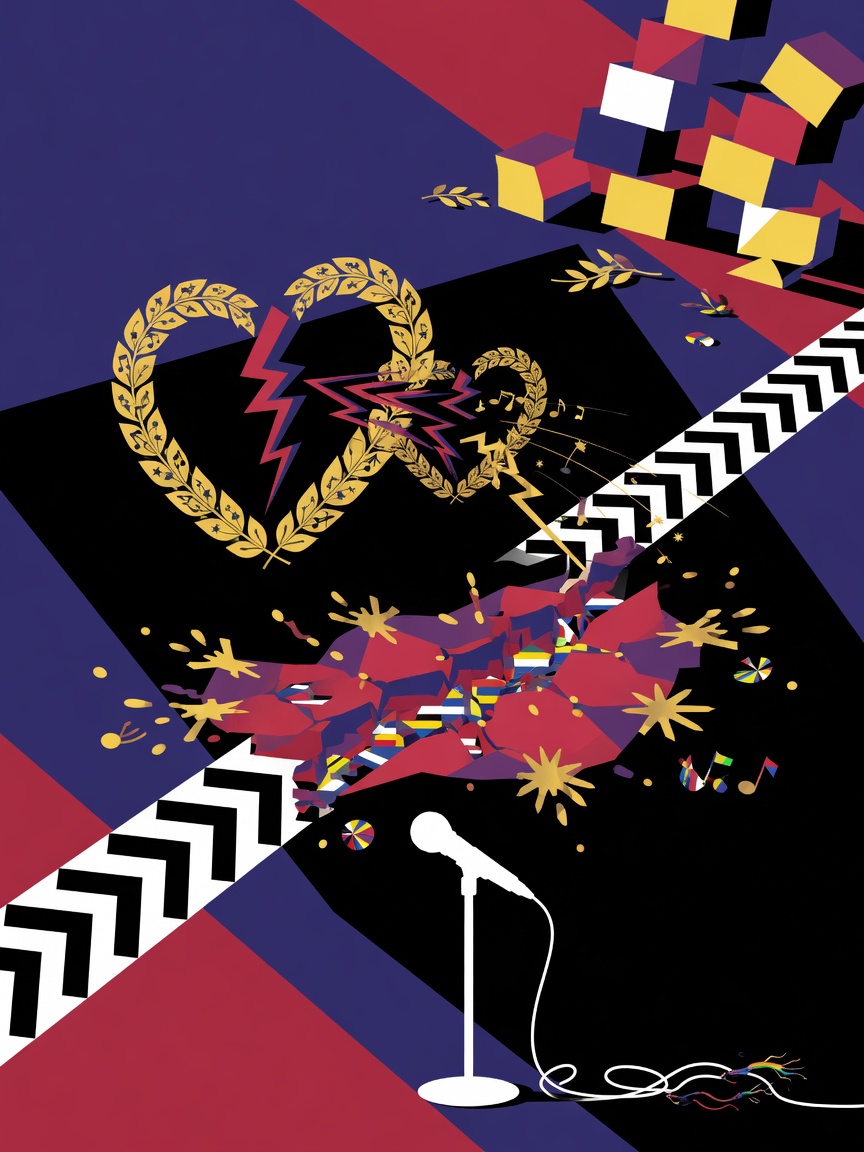
The Netherlands has reversed course and will not send an entry to next year’s Eurovision Song Contest after its public broadcaster cited sensitivities tied to Israel’s participation. That same broadcaster had earlier stepped in with a pledge to return, only to conclude that society’s reactions and resulting division made a suitable format impossible and that it remains too early. The contest will still be shown to Dutch viewers. Contest organisers expressed deep regret while saying they understand the strength of feeling and still hold that the event can unite people around music in a divided world.
I see this withdrawal as a necessary act of integrity rather than a retreat. When a cultural showcase becomes a flashpoint that deepens fractures at home, pretending otherwise only cheapens the stage. The choice to step back acknowledges that some wounds are too raw for forced celebration. If the price of a song contest is papering over real societal strain, then skipping a year is the clearer-eyed option.
Unity cannot be manufactured by decree when the conditions for it are missing. A festival that claims shared experience must first ensure participants and audiences do not feel their deepest concerns are being sidelined for spectacle. In my view, continuing as if nothing is amiss would have signalled indifference to the very discussions the broadcaster named. Better an empty slot than a hollow performance of togetherness.
I realise some will call this over-sensitivity, yet that critique misses the tradeoff. Participation would have required accepting a format that never materialised despite initial optimism. When support evaporates under the weight of unresolved tensions, forcing the issue serves no one. A conversational pause here: I keep returning to how rarely institutions admit they simply cannot find the right frame, and that honesty itself feels rare enough to protect.
The broader principle at stake is whether cultural events should remain insulated from the conflicts that shape public life. My answer is conditional. If insulation is possible without denial, fine. When insulation itself becomes the denial, the event loses legitimacy. Opting out preserves the possibility of a future return that feels earned rather than coerced.
Critics may insist that music transcends politics and that absence only hands victories to division. I disagree on the first claim when the politics are already inside the room, and I reverse the second: remaining under false pretences hands victory to cynicism. A temporary step back keeps faith with audiences who would otherwise watch with clenched jaws.
What matters most is refusing to treat art as a pressure valve that must always open on schedule. Sometimes the responsible gesture is to close the valve until the pressure drops. That is not surrender; it is timing. When organisers speak of protecting a spirit of unity, I hear an aspiration I share, yet aspirations do not erase present fractures.
If the contest truly values coming together, it should welcome the space created by those who wait for genuine conditions. The Dutch decision, in my reading, protects that longer horizon. It refuses to let one more cycle of celebration become another cycle of quiet resentment. For now, absence is the more coherent statement, and I judge it the stronger one.