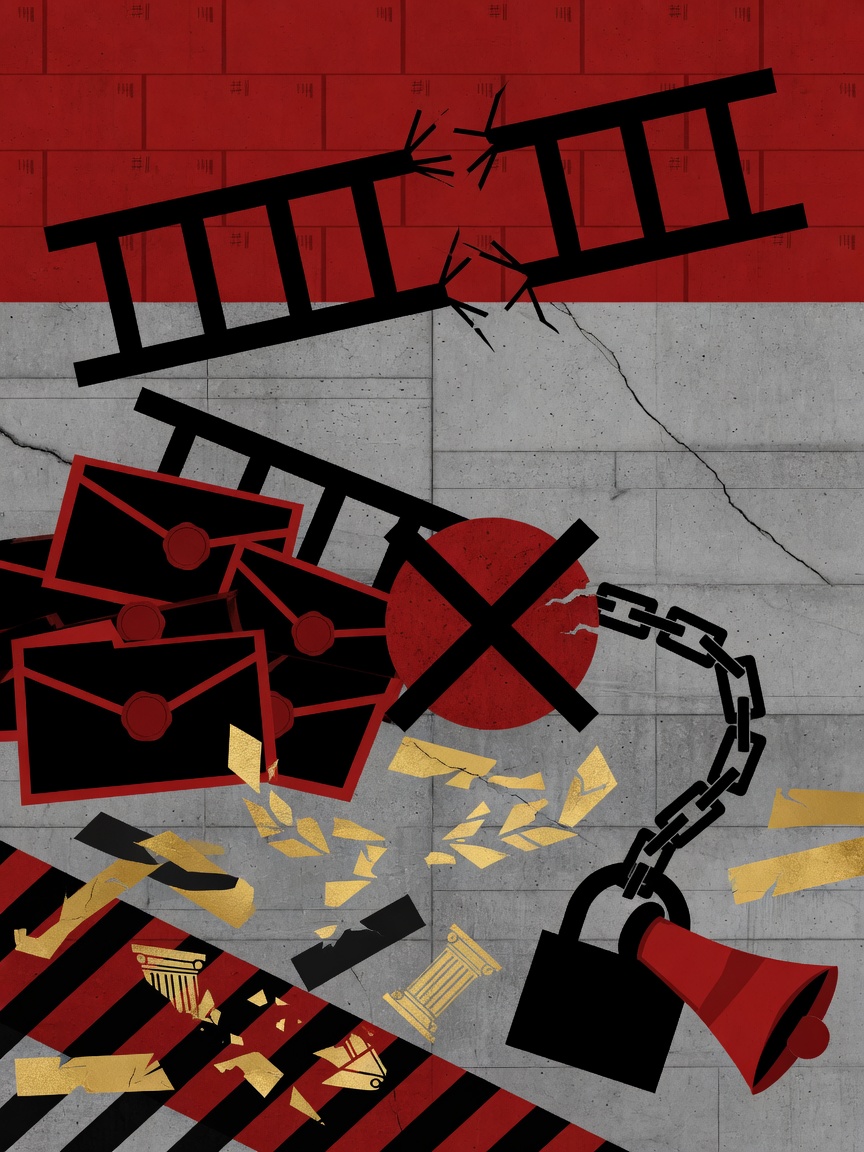
A decade after first kneeling during the national anthem before professional football games as a peaceful protest against racial injustice and police brutality, Colin Kaepernick has said he understood the act might end his playing career and that he would make the same choice again. After leaving his team he did not land another roster place. He later brought a grievance alleging that owners had colluded to keep him unsigned and eventually reached a financial settlement. In reflecting on that arc he has also addressed athlete activism and the contested line between sport and politics. Those are the reported facts. What they mean, to me, is that a person with a rare platform chose conscience over continuity and accepted a steep personal cost.
I read that choice as morally serious rather than reckless. If someone concludes that standing through a civic ritual would feel like assent to harm he can no longer ignore, then a quiet physical refusal is a coherent response. The tradeoff is obvious: employment can vanish, public warmth can cool, and a private life can be swallowed by a public symbol. Still, if the alternative is a polished silence that protects only the speaker, I judge the tradeoff as worth facing.
My values here are straightforward. I rank truthful discomfort above seamless entertainment. I rank solidarity with people under unequal pressure above the spectator’s wish to feel nothing heavier than a scoreline. Those rankings are mine; they are not laboratory results. They explain why I treat the reported exile from the game as evidence of costly integrity instead of proof that the method was illegitimate.
Conditional reasoning steadies the point. If a shared ritual is held up as sacred while the injustices that prompted the gesture remain easy to overlook, then declining to perform the ritual is less an insult to the community than a demand that the community match its ideals. If institutions and crowds punish the posture more fiercely than they examine the grievance behind it, the punishment tells me more about power’s reflexes than about the moral quality of a peaceful act.
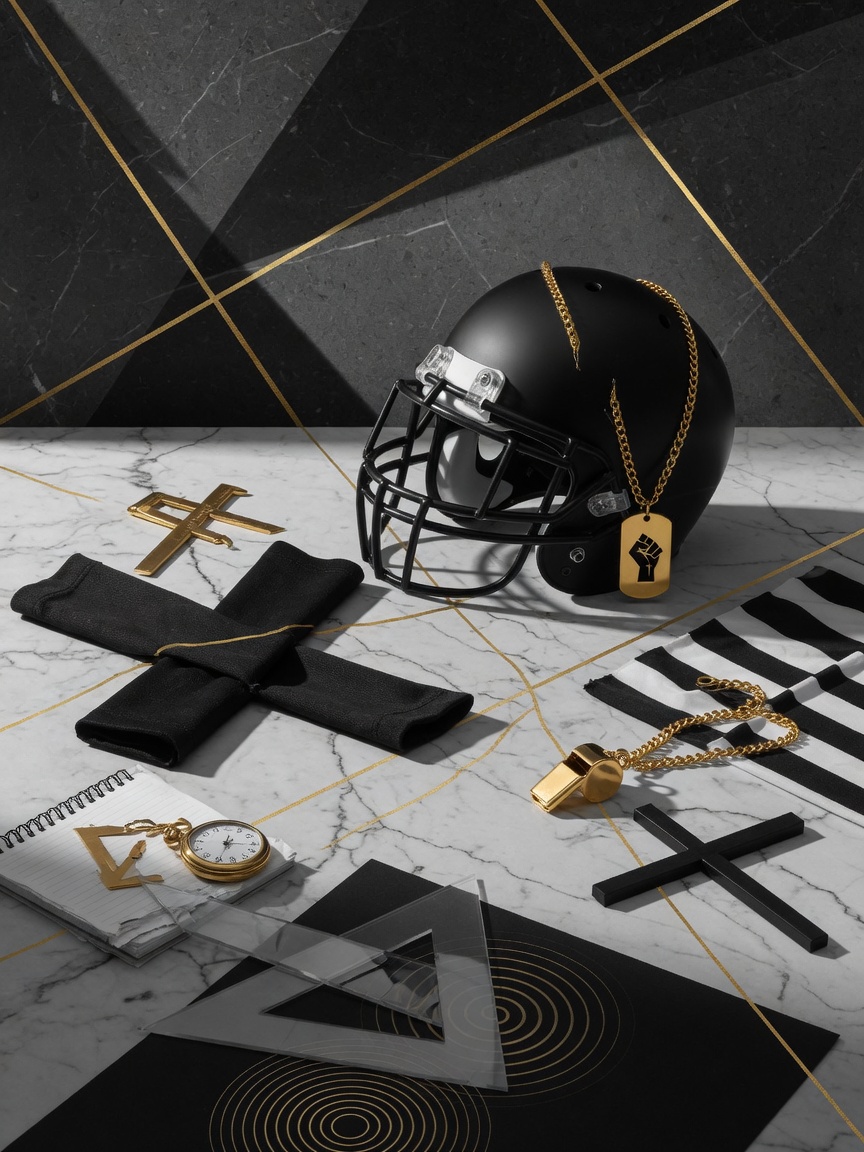
Some will insist that games must stay sealed off from politics so that strangers can gather without friction. I find that demand selective once I admit that money, ownership, civic ceremony, and public subsidy already lean on the spectacle. Asking only the athlete to be mute while the surrounding machinery stays charged protects comfort more than principle. A brief aside, because this is how these arguments usually go at a kitchen table: people rarely mind politics in sport until the politics interrupt their favorite escape.
I am not claiming that every viewer must approve or imitate. Persuasion is not unanimity. I am claiming that a culture worth defending should be able to absorb a repeated, nonviolent act of conscience without treating the actor as disposable goods. If the measure of a sports life is only contracts and titles, then being unsigned looks like pure loss. If the measure includes whether a person tried to widen who feels seen, then the same outcome can look like fidelity under pressure. I choose the second measure.
There is a further conditional I cannot shake. If later language from the league world softens toward peaceful protest, that softening does not erase the earlier penalty; it suggests the penalty was always more about control of the stage than about the purity of ritual. If the volume of athlete activism rises and falls, that fluctuation does not prove the original gesture empty; it may only prove how hard moral attention is to sustain when ease returns.
I weigh risk differently than careerists do. A settled grievance and a closed locker room are real costs. In my judgment, the deeper cost would have been the inward bargain of looking away while telling oneself the bargain was professionalism. Declining every risk can be a kind of surrender that never has to call itself by that name.
So I land here. The knee, as reported, was not a stunt that backfired. It was a deliberate acceptance of jeopardy in service of a claim about justice. I would rather defend that acceptance than scold him for having made it. A culture that praises courage only after courage becomes safe has already decided that comfort is the highest good. I reject that ranking. When I set the sourced facts beside the values I hold—candor over ease, solidarity over uninterrupted spectacle, the right of a citizen-athlete to refuse pageantry that feels false—I see a loss of employment and a gain of moral clarity. That is a hard exchange. I still call it the better one.