Meghan’s Junior MasterChef Turn Is Exactly the Kind of Light She Should Embrace
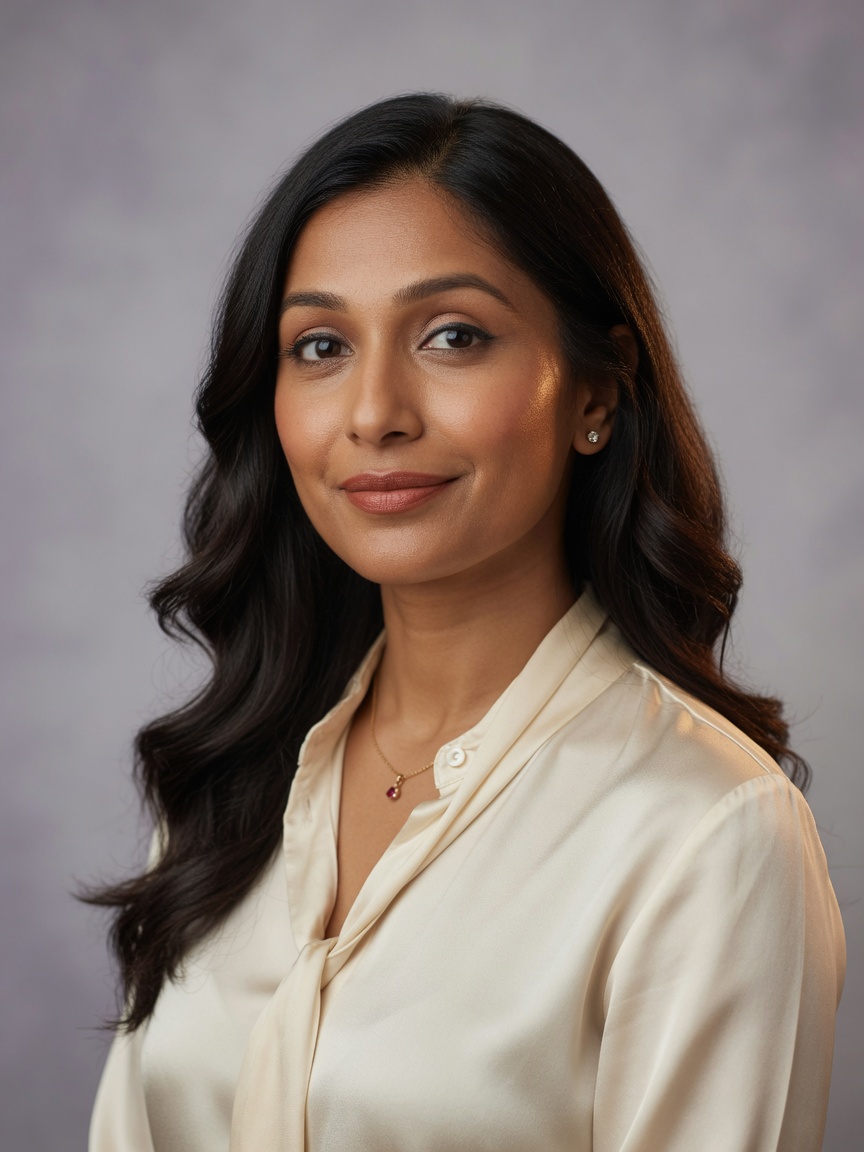
The Duchess of Sussex has been confirmed as a special guest co-host for the 2027 season of Junior MasterChef Australia, joining Poh Ling Yeow on Channel 10. She previously appeared as a guest judge on the adult version of the show last year, an episode that drew the programme’s largest Sunday audience since 2023. The news arrives while she faces heightened scrutiny linked to accusations of child sexual abuse against her father, which he denies, and after she broke contact with him. In her own words she cannot wait to take part, adding that she loves cooking with her own children and looks forward to seeing what young contestants create. The role follows her recent multi-day visit to Australia.
I see this booking as a clear-eyed choice in favour of joy over perpetual crisis. A children’s cooking competition is one of the few remaining spaces on television that still rewards patience, creativity and ordinary kindness. If someone with her visibility chooses to stand in that space, I judge the decision generous rather than calculated.
There is a simple tradeoff here. Public figures can spend their capital amplifying grievance or they can spend it modelling something constructive. I prefer the second path. When the camera turns to kids plating desserts instead of adults litigating old wounds, the culture inches toward healthier priorities. That is my value judgment, not a claim about ratings or motives.
Imagine the kitchen set as a temporary truce with noise. The knives are small, the stakes are low, and the only real pressure is whether the soufflé rises. In that atmosphere a guest host who already cooks with her own children can offer encouragement without needing to perform grandeur. I find that prospect quietly moving.

If the alternative is endless commentary about family rupture, then a season spent tasting junior recipes strikes me as the more humane allocation of attention. Conditional on the show remaining focused on the young cooks, her presence could normalise the idea that adults with complicated histories are still allowed to celebrate uncomplicated pleasures.
Some will insist that any public step she takes must first settle every private score. I reject that ledger. Life does not pause for perfect resolution. Choosing a light entertainment format after a period of scrutiny is, in my reading, an assertion that personal dignity includes the right to ordinary delight.
(And yes, I admit I am a soft touch for any programme that lets children beam over a perfectly risen bun.)
Later paragraphs of criticism will no doubt recycle the same narrow set of facts into darker meanings. My counter is straightforward: the same facts can support a different hierarchy of values. I rank the chance to mentor young cooks above the impulse to keep every headline locked on accusation and denial. That ranking is personal, yet I hold it firmly.
If her co-hosting stays centred on the contestants’ inventiveness rather than her own biography, the arrangement becomes a modest public good. The children get an extra pair of attentive eyes; viewers get a reminder that food still connects generations. Those outcomes matter more to me than perfect timing.
I am not asking anyone to forget the serious allegations surrounding her father or the pain of estrangement. I am asking that we allow room for a separate register of experience—one in which a woman who cooks with her kids can also cheer for other kids doing the same. Conditional on that separation holding, the Junior MasterChef invitation looks less like evasion and more like balance.
In the end I interpret the announcement as an invitation to recalibrate what we demand of public women. We can keep demanding perpetual accountability theatre, or we can accept that participation in a children’s cooking show is a legitimate, even admirable, use of remaining goodwill. I choose the latter reading because it leaves more oxygen for the next generation of home cooks, and that feels like the wiser long-term wager.