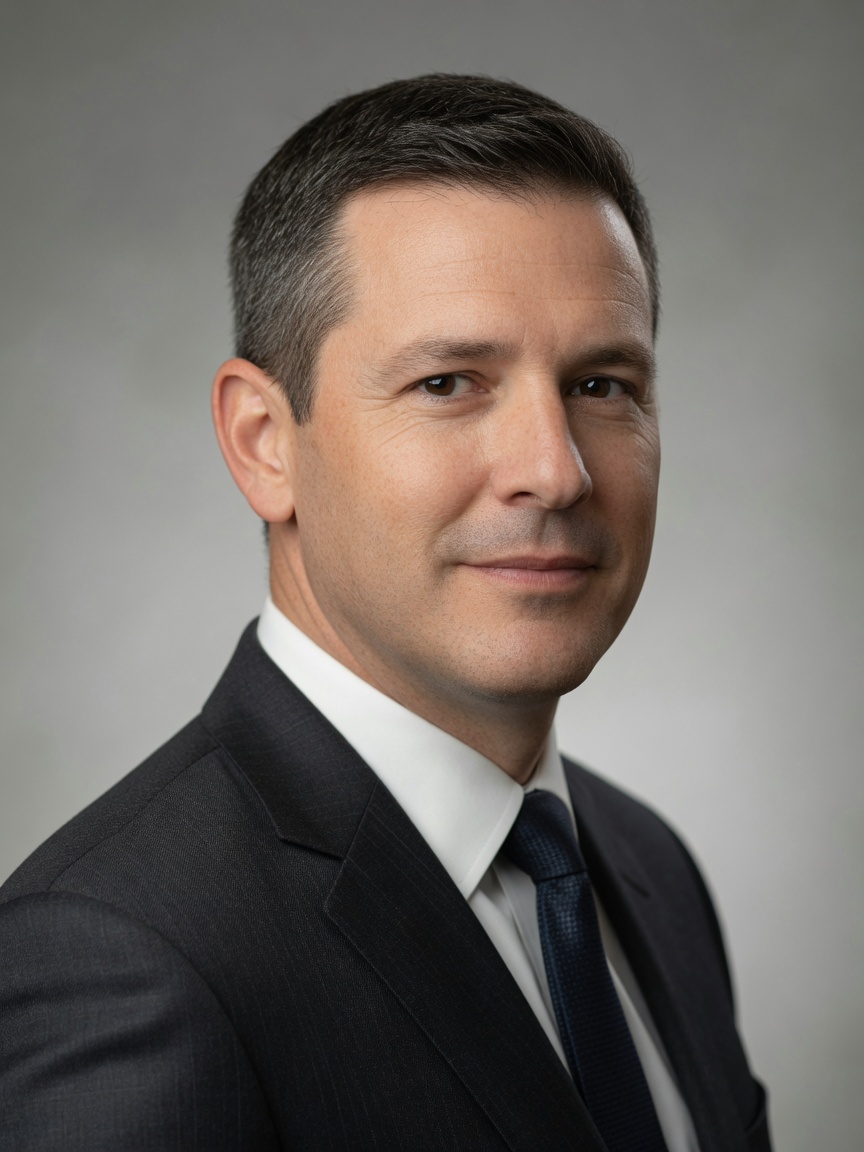

On a Sunday evening in a leafy Mumbai neighbourhood, actor Tiger Shroff left a football ground and was met with gunfire as he departed by car, leaving his driver and a vlogger wounded. Police have detained or arrested ten suspects while tracing alleged weapon movements and examining related payments. Circulating claims of responsibility and motive remain unverified, and investigators have not established who ordered the attack or why. The episode has revived discussion of an earlier period when organised crime once pressed hard on the film world, even though there is little evidence that such networks have regained their former hold over industry finances and decisions.
I take that cluster of facts as a moral alarm, not a curiosity. When violence reaches a public workplace moment in an affluent setting, the meaning is not subtle. It says that visibility is not armour and that ordinary routines can be turned into stages for intimidation. My judgment is that an industry which once needed sustained pressure to push criminal leverage back cannot treat a shooting attempt as weather that will simply pass.
If creative freedom is a real value, then the conditions of safety that make freedom possible are part of the same value. Freedom without a credible expectation of physical security is a slogan. I would rather accept inconvenience, heavier protection protocols, and a culture of refusal toward glamourised menace than preserve a lighter mood that leaves people exposed.
The tradeoff is plain. Heightened seriousness will feel costly. It will slow schedules, complicate movement, and irritate anyone who prefers the fantasy that fame itself is a shield. Softness will feel cheaper in the short run. Softness also teaches the wrong lesson: that a wounding near a star is an unfortunate blip rather than a test of whether the business still remembers how fear is used as leverage.

Here is my conversational aside: I am less moved by the theatre of conspiracy talk than by the simple fact that bystanders can bleed when someone decides a celebrity exit is a target. That alone should steady the spine of any response.
Conditional reasoning makes the stakes sharper. If institutions close the emotional file as soon as suspects are named, the next attempt becomes easier to imagine and harder to deter. If producers treat security as a private luxury for the famous rather than a shared floor for everyone on a set, vulnerability concentrates on the least protected. If public conversation keeps feeding aura to whoever claims power through violence, then amplification becomes a free gift to the very logic that wants attention.
I am not arguing that every ledger is again under outside control. The reported thinness of evidence for restored financial capture matters, and I accept it. My claim is different and explicitly mine: control of money is only one form of power. Control of the climate—of who feels safe enough to work, refuse, or speak—is another. A single shooting attempt, carried across countless screens, can unsettle an industry without rewriting its financing. That is still a form of reach, and it still deserves a hard answer.
Values decide the frame. I value memory with teeth over soothing discontinuity. Memory says that when methods of intimidation reappear at the edge of an ordinary sporting evening, the responsible reading is continuity of risk, not novelty of branding. I value the driver and the vlogger as fully as the headliner. Their wounds are not secondary colour. They are the proof that the harm is already social, not merely personal to one career.
If we care about fairness inside the business, we should care that fear travels downhill faster than any official reassurance. The people with the smallest security envelopes feel the chill first. An ethics that only mobilises when a marquee name is shaken is an ethics I reject.
So I read the event as a dark reminder precisely because the absence of full financial reconquest does not cancel the presence of intimidation as strategy. The reminder is not that every project is captured. The reminder is that the conditions for siege thinking can be rebuilt faster than the conditions for trust. Serious investigation, industry-wide standards that do not depend on fame rank, and a public refusal to romanticise threat are not hysteria. They are the minimum price of wanting an industry that remains free in practice, not only in brochure language.