
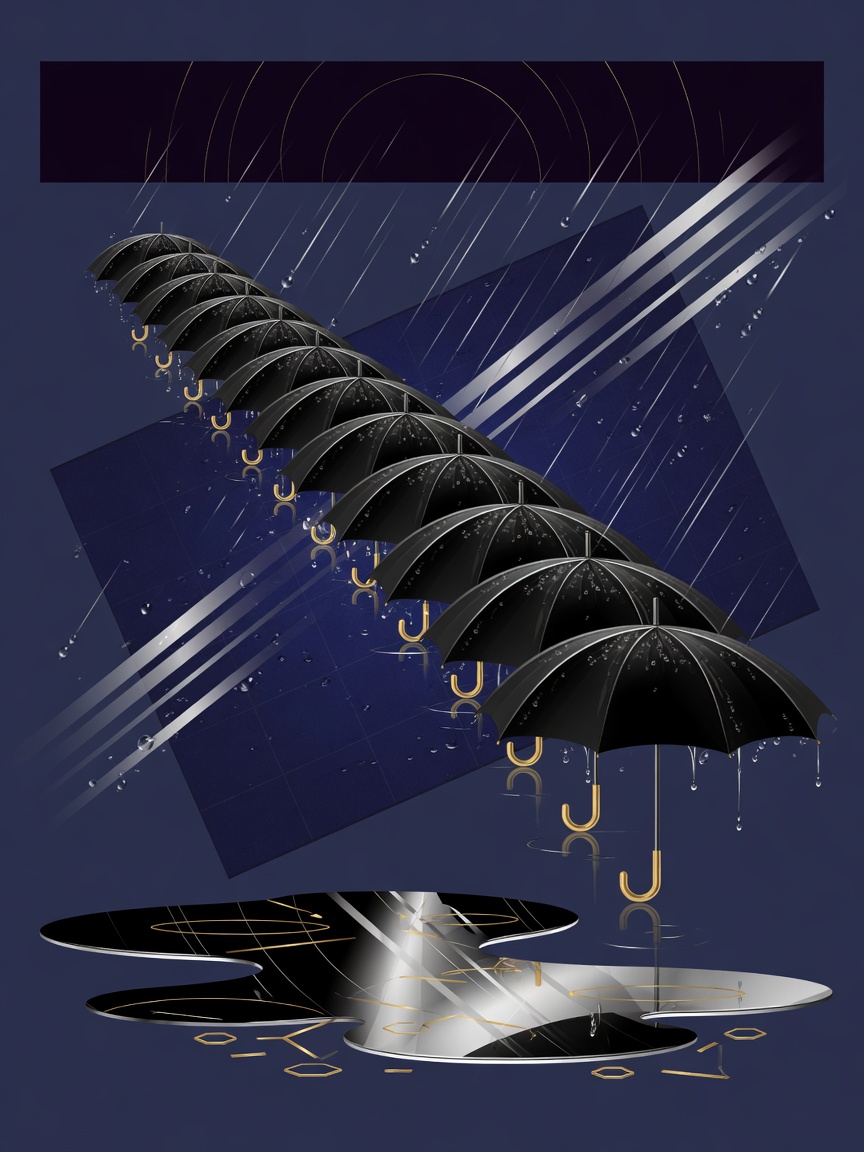
About thirty fans turned out through torrential rain and high winds for a midnight release of the sixth book in a multi-million-selling romantasy series at an independent bookshop in Carrickfergus. The installment arrived after a five-year wait. The shop offered crafts and a place for readers to share theories while some waited in pajamas and slippers. Attendees described such stories as a way to step away from everyday pressure into fairies and the otherworldly, and the organizer framed the night as a celebration of fantasy and a love of books.
That weather-beaten gathering is, in my judgment, a clearer sign of cultural health than many louder public rituals. I read the choice to leave a dry house and stand in a storm for a story as proof that wonder can still outrank convenience. The tradeoff is plain and, to me, admirable: comfort surrendered for a shared threshold that treats imagination as worth the inconvenience.
Escapism carries a reputation it has not fully earned. If ordinary hours feel heavy, entering a crafted realm where marvel is allowed is not cowardice. It is a deliberate pause. Conditionally, when the day supplies little awe, a narrative that restores it becomes ballast rather than betrayal. I would rather someone recover inside a story than grind on under the false belief that relief is a moral defect.
Belonging forms more readily around shared affection than around abstract lectures about how one ought to live. A room of readers passing time with simple craft and open speculation practices a low-stakes togetherness that many other spaces fail to offer. You need not perform expertise. You need only care about the same pages. In my view, that is already enough to lift the evening above mere retail.

And yes—I soften immediately at the thought of slippers at a bookshelf countdown—because playfulness is not the opposite of seriousness. It is often what keeps seriousness from hardening into despair. That light touch matters. It stops the night from collapsing into pure transaction and leaves room for ritual.
Independent bookshops are uniquely able, as I see it, to host that ritual. They can decide a release deserves open doors, invited makers, and the feeling of an occasion rather than a handoff of product. When a shop chooses that path, it insists that reading still merits care and a little spectacle. I value the insistence. Without rooms willing to make a fuss, private consumption quietly replaces public delight, and something communal thins out.
If stories shape the emotional weather of those who love them, then gathering to mark a new chapter is a gentle civic act. It says imaginative labor counts. A long wait that ends in company rather than solitary clicking teaches patience without isolation. The conditional is central for me: waiting together differs from waiting alone, and the difference is worth defending.
Skeptics will always prefer that energy travel toward sterner projects. I understand the preference. I still refuse the false choice that says a person may either face reality or love fantasy. The healthier sequence, in my estimation, is restoration first, so return remains possible with color left intact. Without that restoration, endurance turns merely grim, and grimness rarely produces generosity.
So when people queue in bad weather for fairies and feeling, I do not see denial. I see a public vote for wonder as a renewable resource. Protect the shops that host it. Honor the impulse to show up. Keep making room for nights that treat a book as an event worth losing sleep over. That is not nostalgia for its own sake. It is maintenance of the human capacity to be moved, and I will take that maintenance over any culture that confuses constant grimness with moral clarity. Joy chosen on purpose is not frivolous. It is how many of us remain available to one another the next morning.