
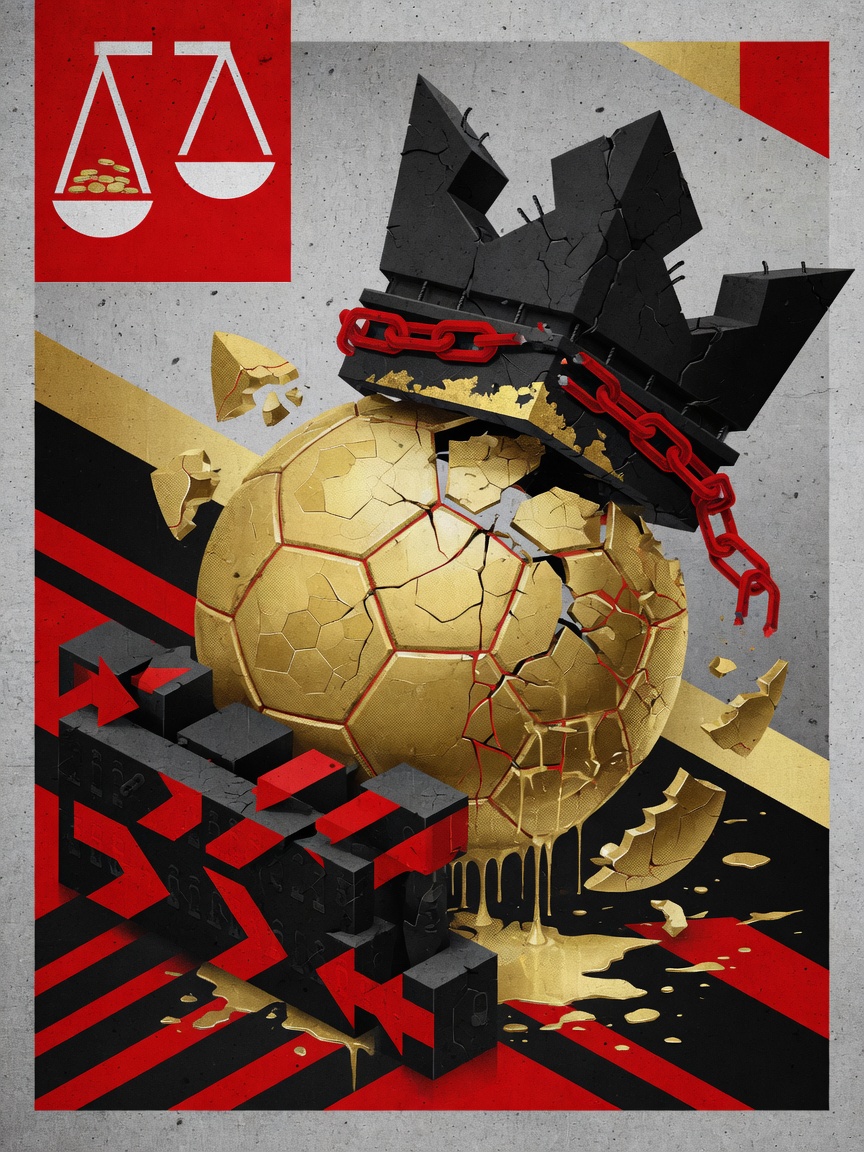
Kylian Mbappé has apologised after major Chinese brands dropped him over a viral video in which he joked about a meme that placed his face on a figure he called a Chinese dictator, an apparent reference to Mao Zedong. He described the remark as ill-judged and said he now understands that it hurt many people in China and in Chinese communities around the world. Companies that had worked with him ended those ties and framed the move as zero tolerance for behaviour that offends national sentiments. Spain’s La Liga also apologised for the offence caused among Chinese fans, and there were reports that public television was suspending broadcasts of league matches.
I take this sequence as a necessary correction, not a panic. When someone with worldwide commercial reach turns a charged national image into casual comedy, the break that follows is a boundary being named out loud. Privilege built on cross-border admiration is never free of duty. The duty, as I see it, is simple: do not treat another society’s solemn figures as disposable punchlines and then act surprised when the relationship collapses.
People who defend the original tone usually argue that a light remark about a meme should never carry professional cost. I reject that view. Reach multiplies harm. A private aside and a public star’s aside are not moral equals, because only one of them travels into millions of feeds without context or care. If the price of global branding is a minimum of cultural seriousness, that price seems fair to me.
I value reciprocity over frictionless speech in this setting. Athletes and the businesses around them harvest affection, identity, and spending power across borders. Harvesting without restraint is, in my judgment, a one-way bargain. Brands that walked away were not obliged to keep financing a partnership after the tone of the association changed. Conditional on partnership being voluntary, exit is a legitimate answer to offence.

A small aside, in plain terms: I do not buy the idea that every solemn image becomes fair game the moment it appears in internet humour. Circulation is not absolution.
The real tradeoff is between the comfort of saying whatever feels witty and the harder work of keeping trust intact across unequal histories of meaning. I side with trust when the speech at issue is throwaway rather than a careful argument. An apology that admits hurt does not become hollow merely because commerce moved at the same time. Commerce is one of the few levers ordinary institutions actually have. Using it to mark a line is not tyranny in my eyes; it is consequence.
I am not asking for permanent silence on difficult pasts. I am saying that levity aimed at a founding political symbol, offered without gravity, predictably ruptures goodwill. Pretending the rupture is mysterious is a way of refusing responsibility. If a star wants the market, the star accepts the norms that market still enforces. If those norms feel strict from the outside, their strictness is part of the deal, not proof the deal is illegitimate.
What persuades me most is the principle that admiration can be withdrawn. Popularity is not a permanent title deed. When a comment crosses a line a partner community still holds as sacred, ending the relationship protects the meaning of that line. Without such endings, “respect” becomes a slogan with no cost and therefore no content.
I also weigh institutional distance as coherent rather than cowardly. A league separating a player’s personal remarks from its own identity is, conditionally, a way to limit collateral damage while still acknowledging harm. That is triage, not erasure of the person. The person remains free to speak; the institution remains free not to carry the full blast of the reaction.
In the end I read the apology and the severed ties as aligned signals. One named the injury. The other gave the naming practical weight. The alternative—shrugging and insisting that hurt is merely hypersensitivity—would teach the opposite lesson: that global fame entitles a speaker to skim meaning from other people’s symbols without answer. I find that lesson corrosive. Better a sharp commercial break than a slow slide into treating every audience as a captive backdrop for someone else’s joke.